



- 작성자
- Santo
- 등록일
- 2026.04.14 19:11
- 조회수
- 2
Acquiring fake high-end products may seem like a harmless way to enjoy the look of luxury labels without the exorbitant cost, but there are significant legal consequences that buyers should understand. In numerous nations, including the United States, the EU, and North American nations, the trafficking in counterfeit goods breach intellectual property laws. These laws protect trademarks, logos, and designs that brands have dedicated immense resources to develop. When you buy a counterfeit bag, shoe, or watch, you are not just getting a low-quality copy — you are participating in a market that destroys legitimate commerce and diminishes brand integrity.
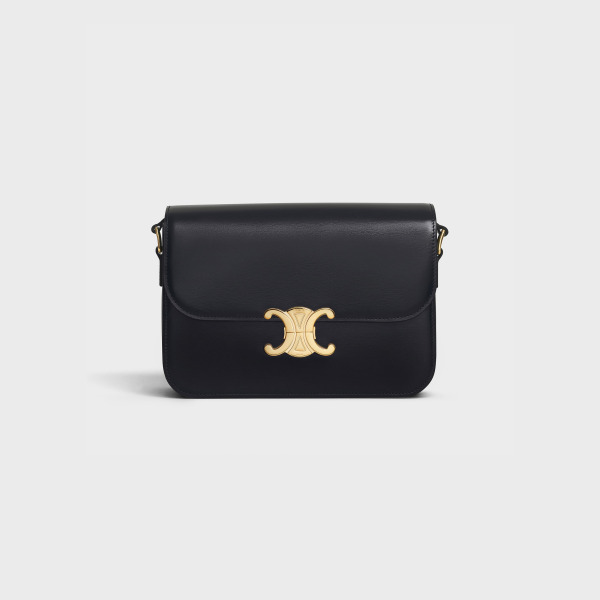
Smuggling replica items into countries with rigorous customs controls can lead to interception by regulatory agencies. If authorities determine that you have knowingly imported fake products, you could face fines or even criminal charges, depending on the volume and price of the items. In some jurisdictions, chronic buyers or bulk acquisitions can be treated as counterfeit smuggling, which carries stricter punishments, 高仿LV 郵差包 including imprisonment.
No matter your intent, the act of purchasing counterfeits empowers underground syndicates. Many counterfeit operations are connected to mob activity, human trafficking, and exploitative working conditions. The profits from these goods often finance harmful operations that damage society and disregard human dignity.
Additionally, buying replicas can leave you with zero recourse if the product fails. Unlike authentic luxury items, which come with warranties and customer service support, counterfeit goods have no legal protection. You cannot file a complaint with the designer or seek compensation if they fail to meet basic quality standards.
There is also a growing risk of e-commerce scams. Many websites selling replicas are phony storefronts designed to compromise your personal details. Even if you get the product, you may end up receiving a dangerous counterfeit and have no way to dispute the transaction.
Finally, there is a moral and ethical dimension. Designers and artisans dedicate decades perfecting their art and building reputations based on excellence and creativity. When consumers choose fakes, they disrespect their effort and hinder artistic progress in the fashion and accessory industries.
In short, while replica luxury goods may appear to be an budget-friendly indulgence, the legal, monetary, and moral dangers far dominate any perceived gain. Choosing genuine items supports lawful economies, defends buyer protections, and respects the hard work of designers and manufacturers.
|
|
 이전글
이전글
 다음글
다음글
 more
more
 MkB BROCHURE

