



- 작성자
- Ruth Boos
- 등록일
- 2026.04.14 19:46
- 조회수
- 2
The influence of social media personalities has revolutionized how products are marketed and its reach now extends into the market for replicas. These are products that mimic the aesthetic of premium labels but are sold at a tiny fraction of the original expense. While replicas are unlicensed duplicates and often exist in a questionable legal territory, their popularity continues to grow, especially among budget-savvy shoppers seeking on-trend accessories without the luxury markup.
Social media creators are instrumental in making replicas socially acceptable. Through strategically crafted content, short-form videos, and 高仿Chanel 26C videos, they showcase replicas as elegant yet inexpensive options. Many influencers highlight the uncanny likeness between the replica and the authentic item, often using phrases like "you’d never tell the difference" or "same look, 1. This messaging appeals to value-driven consumers who want to keep up with fashion trends without overspending.
The authenticity of influencer content is a major part of its effectiveness. Followers often trust influencers they feel connected to, viewing them as friends rather than paid salespeople. When an influencer shares a photo wearing a counterfeit sunglasses, it feels like a personal recommendation rather than a corporate ad. This trust can significantly influence purchasing behavior, especially when the influencer emphasizes value, style, and accessibility.
Platforms like Instagram, TikTok, and YouTube have made it easier than ever for influencers to showcase replicas. Quick tutorials showing unboxings can spread rapidly. Hashtags like #affordableluxury help these posts reach wider audiences searching for similar products. Some influencers even partner with small online sellers who specialize in replicas, creating affiliate links that drive sales directly.
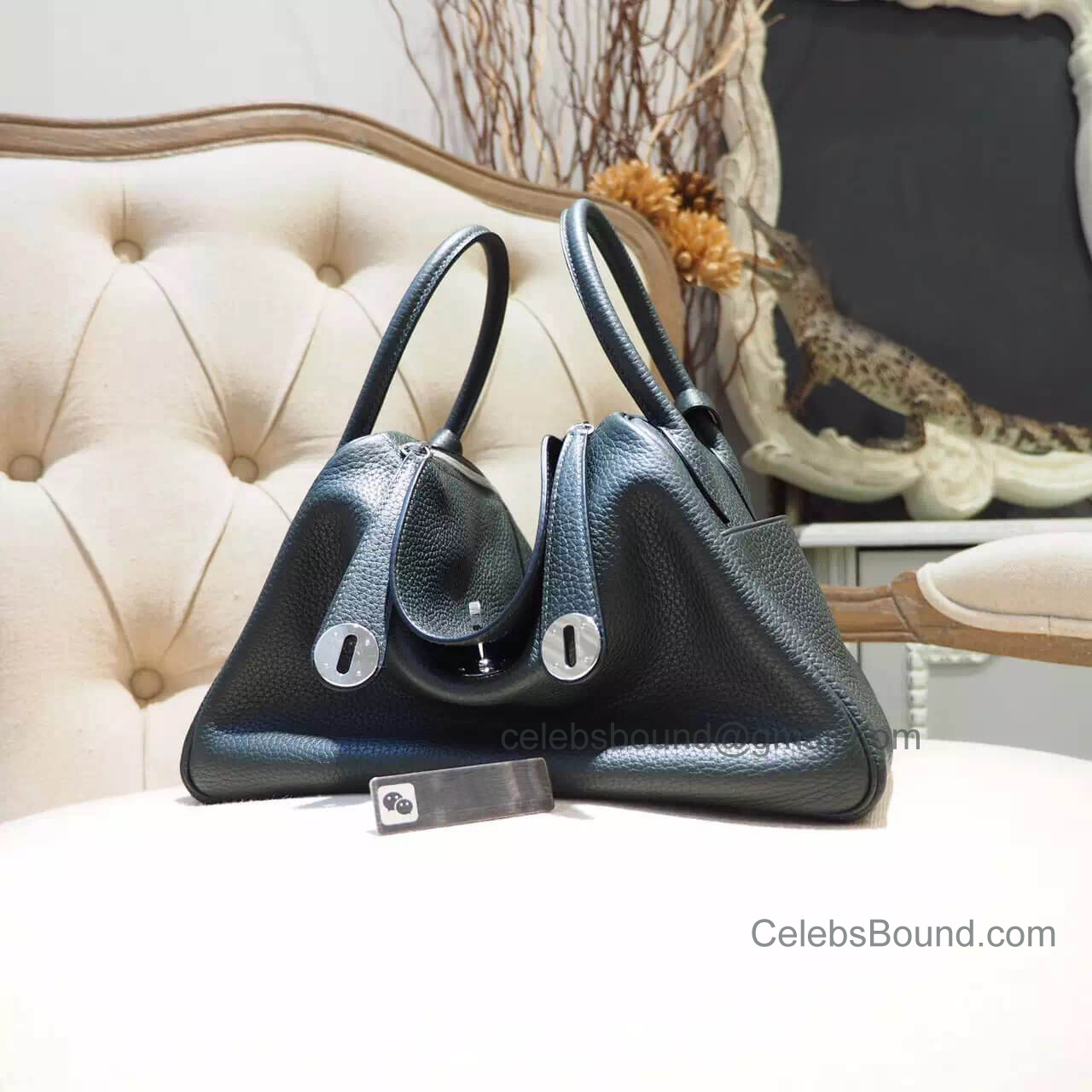
The use of influencers to sell counterfeits is increasingly controversial. Brands invest heavily in artistic development and proprietary technology, and replicas undermine that value. Some critics argue that influencers have a duty to be transparent about authenticity, especially when their audiences might not understand the distinction between fake and real.
Despite these concerns, the demand for replicas continues to rise, and influencer marketing remains a central driver. As long as there is a market for accessible luxury, influencers will likely serve as vital bridges in connecting consumers with these products. The challenge lies in balancing consumer desire for accessible trends with the need to respect intellectual property and encourage transparency in marketing practices.
|
|
 이전글
이전글
 다음글
다음글
 more
more
 MkB BROCHURE

